Myths vs Facts About Root Canal Treatment

Updated: Apr 17
If you’ve been advised a root canal but are unsure whether you really need it, you’re not alone. Many patients delay treatment due to fear, confusion, misinformation, or common myths surrounding dental procedures.
At Dentalk® Speciality Dental Clinic, Pimple Saudagar, Pune, we believe patient education is the first step toward comfortable and stress-free dental care. Understanding why a root canal is recommended, how it is performed, and what to expect can remove unnecessary anxiety.
Let’s understand myths vs facts about Root Canal Treatment (RCT) — so you can make a confident, informed decision about your oral health.

Myth 1: Root Canal Treatment Is Painful
Fact: One of the most common myths is that root canal treatment causes severe pain. This belief usually comes from outdated experiences or stories.
In reality, root canal treatment is performed to relieve pain caused by infection inside the tooth. Modern anesthesia ensures the area is properly numbed, and most patients feel little to no discomfort during the procedure. Mild soreness after treatment is normal and manageable with prescribed or over-the-counter medication.
Very often, the pain before treatment is far worse than anything experienced during the procedure.
Myth 2: If My Tooth Doesn’t Hurt, I Don’t Need a Root Canal
Fact: Pain is not always present in infected teeth — and this is where many patients get confused.
A deep cavity or long-standing infection can slowly damage the nerve (pulp). In some cases, the nerve becomes partially or completely dead, and the tooth may stop hurting temporarily. However, infection can continue spreading silently inside the root and surrounding bone. Pain often appears later when pressure builds up or an abscess forms.
Why Early Treatment Matters
If a dead or infected nerve is left untreated:
Swelling or pus (abscess) can develop
Infection can spread to surrounding bone
Severe pain may occur suddenly
Root canal treatment removes infected tissue, disinfects the canals, and prevents further complications. Even if your tooth “doesn’t hurt much,” treatment may still be necessary to save it.
Myth 3: Extracting the Tooth Is Better Than Root Canal Treatment
Fact: Extraction may seem like a quick solution, but it can lead to shifting of nearby teeth, bite problems, and bone loss over time. Replacing a missing tooth with a dental implant or bridge often involves additional procedures and higher costs.
Root canal treatment preserves your natural tooth, maintaining proper chewing and function.
At Dentalk® Speciality Dental Clinic, we always make every possible effort to save the natural tooth. Extraction is advised only when a tooth is truly beyond repair. No matter how advanced technology becomes, nothing can completely replace what nature has given you.
Myth 4: Root Canal Treatment Requires Many Painful Visits
Fact: Advancements in dental technology now allow many root canal treatments to be completed in one or two visits, depending on the case.
With precise instruments and modern techniques, the procedure is efficient and comfortable. Your treatment plan is clearly explained, and appointments are planned according to your specific condition.
Myth 5: Root Canal Treatment Is Expensive and Not Worth It
Fact:
While root canal treatment may seem like an upfront expense, it is actually an investment in your long-term oral health.
Saving your natural tooth helps you avoid more complex and costly procedures like implants, bridges, or dentures in the future. In most cases, neglecting the problem becomes far more expensive than treating it on time. Delayed treatment can lead to severe infection, swelling, tooth loss, and the need for advanced procedures.
When you consider the benefits of preserving your natural tooth, maintaining proper function, and preventing complications, root canal treatment offers significant long-term value.
How We Perform Root Canal Treatment at Dentalk®
At Dentalk® Speciality Dental Clinic, we follow a structured, precision-based protocol to ensure safety and long-term success.
Detailed Diagnosis
Thorough clinical examination
Pulp Vitality Test
Digital RVG X-rays
CBCT imaging (if required for complex cases)
Comfortable & Precise Procedure
Effective local anesthesia
Rubber dam isolation for safety
Magnification (loupes) for enhanced accuracy
Rotary endodontic instruments for precise cleaning
Disinfection and Sealing
Thorough canal cleaning and shaping
Medicaments if infection is present
3D obturation for proper sealing
Final Protection
Post and core (if required)
High-quality dental crown to strengthen the tooth
Our focus is always on accurate diagnosis, strict infection control, patient comfort, and long-term treatment success.
Signs You May Need Root Canal Treatment
Persistent tooth pain
Sensitivity to hot or cold
Swelling near the gums
Pain while chewing
Deep cavity
Tooth discoloration
Early diagnosis makes treatment simpler and helps prevent complications.
Why Choose Dentalk® for Root Canal Treatment in Pimple Saudagar?
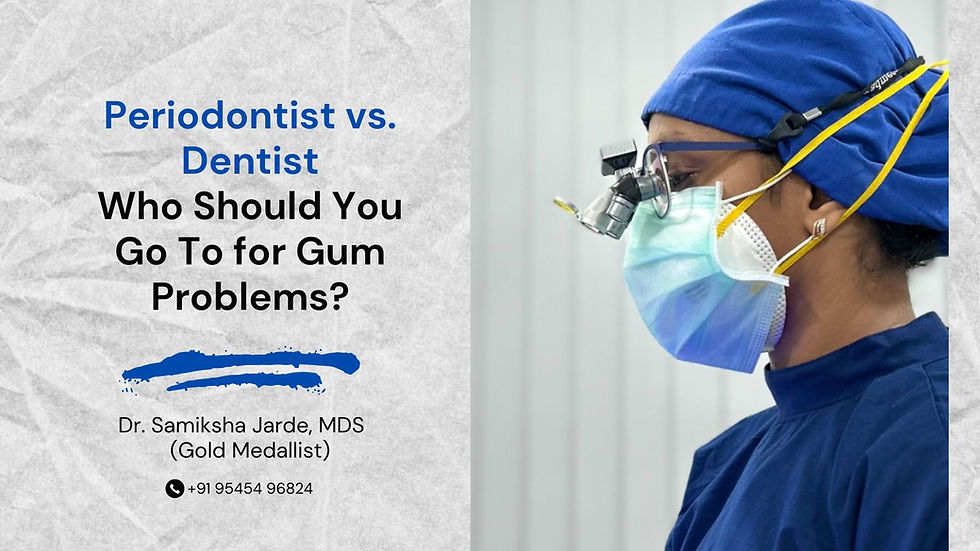
Expert Team of Specialists: Dr. Samiksha Jarde, MDS (Gold Medallist) and her Team has extensive experience in performing root canal treatments.
State-of-the-Art Facility: Our clinic is equipped with the latest dental technology, ensuring precise, comfortable, and efficient treatments for every patient.
Personalized Care: We believe that every smile is unique. Our patient-centric approach means we customize each treatment plan to suit your individual needs, providing a comfortable and stress-free experience from consultation to completion.
Commitment to Quality: We focus on delivering long-lasting, high-quality dental solutions for every patient.
Trusted Family Dentist in Pimple Saudagar: With our clinic’s focus on patient satisfaction, we have earned the trust of families in the Pimple Saudagar, Pune area and beyond for exceptional care and service.
Frequently asked questions (FAQs)
Is a root canal treatment painful?
This is the biggest myth! With modern anesthesia used at DENTALK® Speciality Dental Clinic, a root canal is no more painful than a routine filling. Dr. Samiksha Jarde (MDS) ensures a completely comfortable and pain-free experience for our Pune patients.
How many appointments are needed for an RCT in Pimple Saudagar?
At DENTALK®, we often perform Single-Visit Root Canals using advanced rotary endodontics. Depending on the infection, Dr. Samiksha Jarde will check properly and determine if your treatment can be completed in one or two sessions.
Is it better to pull a tooth than get a root canal?
Saving your natural tooth is always the best option. At DENTALK®, we prioritize tooth preservation. A root canal followed by a custom crown by our specialist is the most effective way to maintain your natural smile and bite function.
Final Thoughts: Protecting Your Natural Smile
Root canal treatment is a safe, essential, and highly predictable procedure when performed by a specialist. Most complications arise from delaying care due to common myths, which can lead to severe abscesses or the eventual loss of the tooth.
At DENTALK® Speciality Dental Clinic, we prioritize a "No-Rush" specialist approach, ensuring your single-sitting root canal is precise, painless, and focused on long-term tooth preservation. Your natural teeth are irreplaceable—saving them is the best investment you can make for your oral health.
Don’t let dental anxiety or outdated myths stand in the way of a healthy smile. If you are experiencing persistent pain or sensitivity, early intervention is key to a successful outcome.
👉 Book Your Appointment Online for a consultation with our specialist MDS team.
📞 Call Us Directly: +91 95454 96824
📍 Visit Us: DENTALK® Speciality Dental Clinic, Vision 9 Mall, Pimple Saudagar, Pune.
Still Not Sure? Read More
Does Root Canal Treatment Hurt? – The truth about how modern RCT actually relieves chronic dental pain.
Dental Crowns in Pimple Saudagar – Why a crown is the essential "final step" to protect your tooth after an RCT.
The Importance of Early Diagnosis – How catching a cavity early can prevent the need for more invasive treatments.